
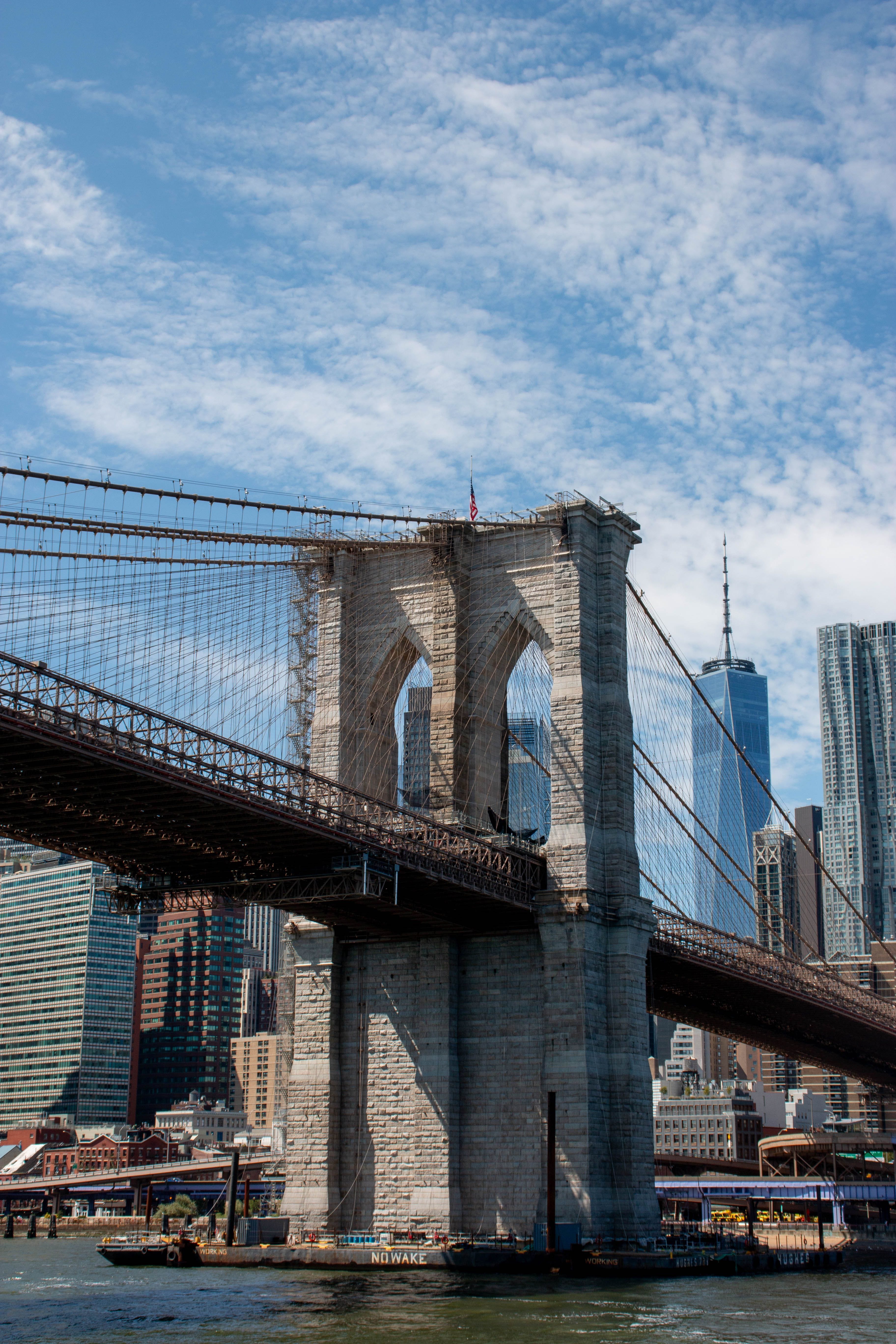
My father owned a small pharmacy on Dekalb Avenue in Brooklyn, New York, just up the block from Pratt Institute, the renowned art school. At that time, the neighborhood was very run-down, inhabited mostly by poor African-American and Hispanic families, many on welfare. My father was white. He loved his customers and they adored him. They called him “Doc.” It was Doc they brought their sick babies to, trusting him more than any actual doctor. He dispensed over-the counter remedies and homespun wisdom, and, knowing my father, probably more than a little credit. Sadly, the neighborhood was full of crime. Some blocks away, another pharmacist was shot and killed during a robbery. His name was Mr. Graves. He was friends with my father. He happened to be black. I remember how much my mother cried, and how scared we were for the safety of my father. We begged him to close the store, but he wouldn’t; the neighborhood needed him.
In the late seventies, there was a blackout throughout New York City. There are many stories of New Yorkers coming together during the crisis, but unfortunately, many places were looted, especially in the poorer neighborhoods. My father made it home (the subways weren’t running) but in the middle of that night got the dreaded call: all the stores on your block were looted, get down here right away. I remember him breaking down and sobbing at the kitchen table. He thought he’d lost everything.
He took the trip and when he got there, he found his store untouched. Some neighborhood boys had slept outside, guarding the place. No one had touched Doc’s store. The neighborhood made sure of that.
After my father retired and closed the store, he still wanted to be productive. He got a job at Clayton and Edwards pharmacy, on the Upper East Side of Manhattan. They were only too happy to have someone of my father’s experience. Once again, the neighborhood residents took to him, and he to them. After a while, many customers would ask particularly to speak to him. I know my father thought everyone was significant, whether they were among the famous (many were) or not, but I believe his contact with one patron was exceptional to him. She was the widow of John Steinbeck, and was one of the customers who trusted no one else with her pills.I remember how my Dad’s eyes shone when he told me about their conversations. He was back in time, the poor kid from the Lower East side, talking about his literary hero, telling stories of Steinbeck’s life, heard first hand.
When 9/11 struck, my father was at work. I called the pharmacy and he assured us that they were fine up there, but that Manhattan was in chaos. I held my breath until he got home that night, to Queens where he and my mother were then living.
I thought for sure he would stay home the next day. Traveling to the city would be crazy, I thought. He was at that time in his late seventies. No one could possibly have faulted him for staying home. But he went to work. He knew it would be hard. He knew supplies at the pharmacy would be low, and not all the workers would be able to show up. All the more reason for him to be there to help sort things out. “The people need their medication,” he said. He took the subway. He was one of the heroes.
Thank you for trusting us with these beautiful memories, Marian. Your father must have been a very special person...
That is so beautiful and he was a mensch. A true New Yorker.